Timing field notes
Norway Through the Seasons
Choose a season for the kind of journey it supports. Long summer evenings, spring waterfalls and winter waterfronts are different experiences, not interchangeable versions of the same itinerary.
Begin with what you want to do
If high mountain roads and substantial hikes are central to the trip, plan around their operating and ground conditions rather than choosing dates solely by flight price. If village stays, shoreline scenery and boat travel matter more, a wider part of the year may work, provided you confirm transport and opening hours.
Western Norway has strong differences between sea level and nearby high ground. A mild day beside a fjord says little about snow, wind or visibility on the ridge above it. Likewise, a seasonal road’s usual opening period is not a promise for your travel date. Current conditions and official notices should decide the final route.
Keep arrival and departure days relatively simple. A delayed flight, rental collection or unfamiliar driving conditions can consume the margin you expected to use for sightseeing. Avoid putting the trip’s least flexible ferry connection immediately after a long arrival transfer.
Open the season you are considering
Spring: waterfalls, changing access and variable services
Spring can bring active waterfalls and fresh vegetation along the shore, while higher roads remain closed and trails retain snow. Plan low-level days first. Treat a mountain detour as a bonus confirmed close to departure, not the only reason for reaching a region.
Check accommodation, attraction and boat schedules directly. Some services operate seasonally or at reduced frequency. A quiet village can be rewarding, but fewer visitors may also mean fewer open places to eat.
Summer: longer days, busier connections
Summer often offers the broadest range of road, boat and walking options. It also concentrates demand at well-known stops. Reserve essential accommodation and any service that specifically requires booking, and leave room for ferry queues or full viewpoint parking.
Long daylight can tempt you into overpacked days. Keep a proper rest margin, especially if the same person drives every transfer. Rain and cold are still possible; summer clothing alone is not sufficient preparation for exposed ground.
Autumn: shorter light and a shrinking high-country window
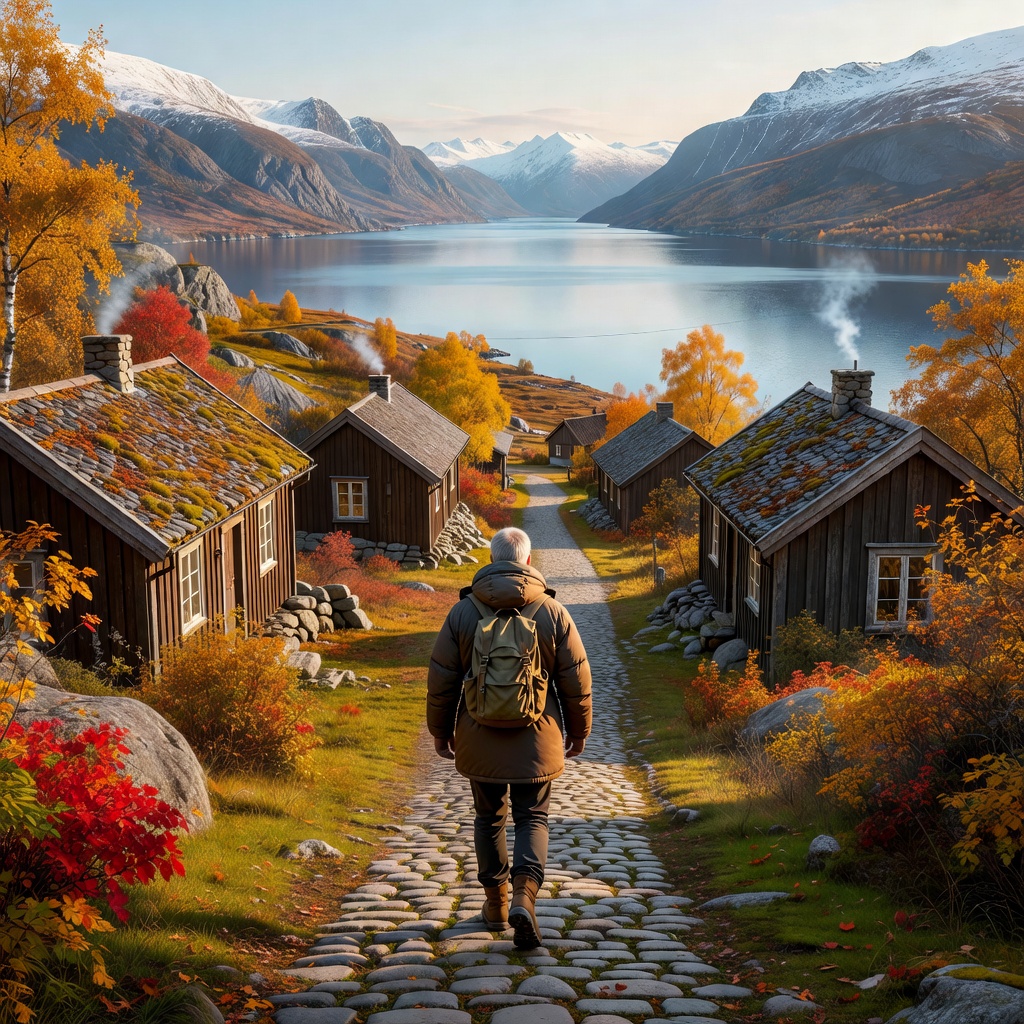
Autumn can suit a village-and-shoreline journey with room for changing weather. As days shorten, schedule the most demanding driving and walking during usable daylight. Early snow or strong weather can remove a high route from the plan.
Recheck services rather than assuming summer timetables continue. Keep a shorter fallback walk and avoid placing a long descent immediately before a distant overnight transfer.
Winter: a different route, not a quieter summer circuit
Winter calls for a plan centred on confirmed open connections, realistic daylight and suitable driving experience. Seasonal mountain roads may be closed, and other roads can face temporary restrictions. Do not rely on a summer scenic loop.
Ask the rental provider about the vehicle and equipment, check official traffic information and understand your own limitations on snow and ice. Where winter driving is outside your experience, consider a transport-based stay with carefully checked connections instead.
A short Sognefjord stay
For a compact trip, choose a base around Aurland or Flåm rather than trying to combine several distant fjord regions. Use the arrival day for settling in and a public waterfront walk. Give the next full day to either a planned boat excursion or a road outing, not both by default.
Keep another day for a walk suited to the weather, a village visit or a second water connection whose timetable you have checked. Stegastein can fit a road day when access is suitable, but the high Aurlandsfjellet crossing remains a separate seasonal decision. This framework leaves space for a missed view without making the entire visit feel incomplete.
A longer journey: connect regions, not checkboxes
With more time, choose two regions and make the transfer a deliberate travel day. Bergen and Hardanger can form one part of a journey, while Sognefjord forms another. Adding Geiranger extends the route substantially and deserves its own allowance rather than an optimistic detour.
Stay several nights where the activity choices suit your group. Repeated packing, check-in and grocery stops take time that a route planner does not show. A stable base also lets you swap a walking day with a lower-level excursion when the forecast changes.
Before confirming accommodation, trace the route between each pair of bases using actual roads and operating crossings. Check arrival times against the property’s own arrangements. A cheaper remote stay may not be economical if it adds substantial driving to every activity.
Leave one part of the plan unclaimed
A flexible half-day or day can absorb rain, a tired driver or a place you would like to explore longer. That is useful travel time, not wasted capacity. Keep a small list of nearby alternatives instead of a second complete itinerary that requires another long transfer.
Recheck weather, traffic notices and the next day’s essential sailing each evening. Make changes while you still have options, rather than at the last junction or final departure.